In 2026, smartphones are undergoing a fundamental shift in how artificial intelligence is deployed. Rather than relying exclusively on cloud servers, leading manufacturers are prioritizing on-device AI—models that run directly on the phone’s hardware.
This change is driven by three converging factors: privacy concerns, latency reduction, and advances in mobile chip design. Apple, Samsung, and Qualcomm have all introduced neural processing units (NPUs) capable of handling complex tasks locally, including image generation, voice recognition, and contextual recommendations.
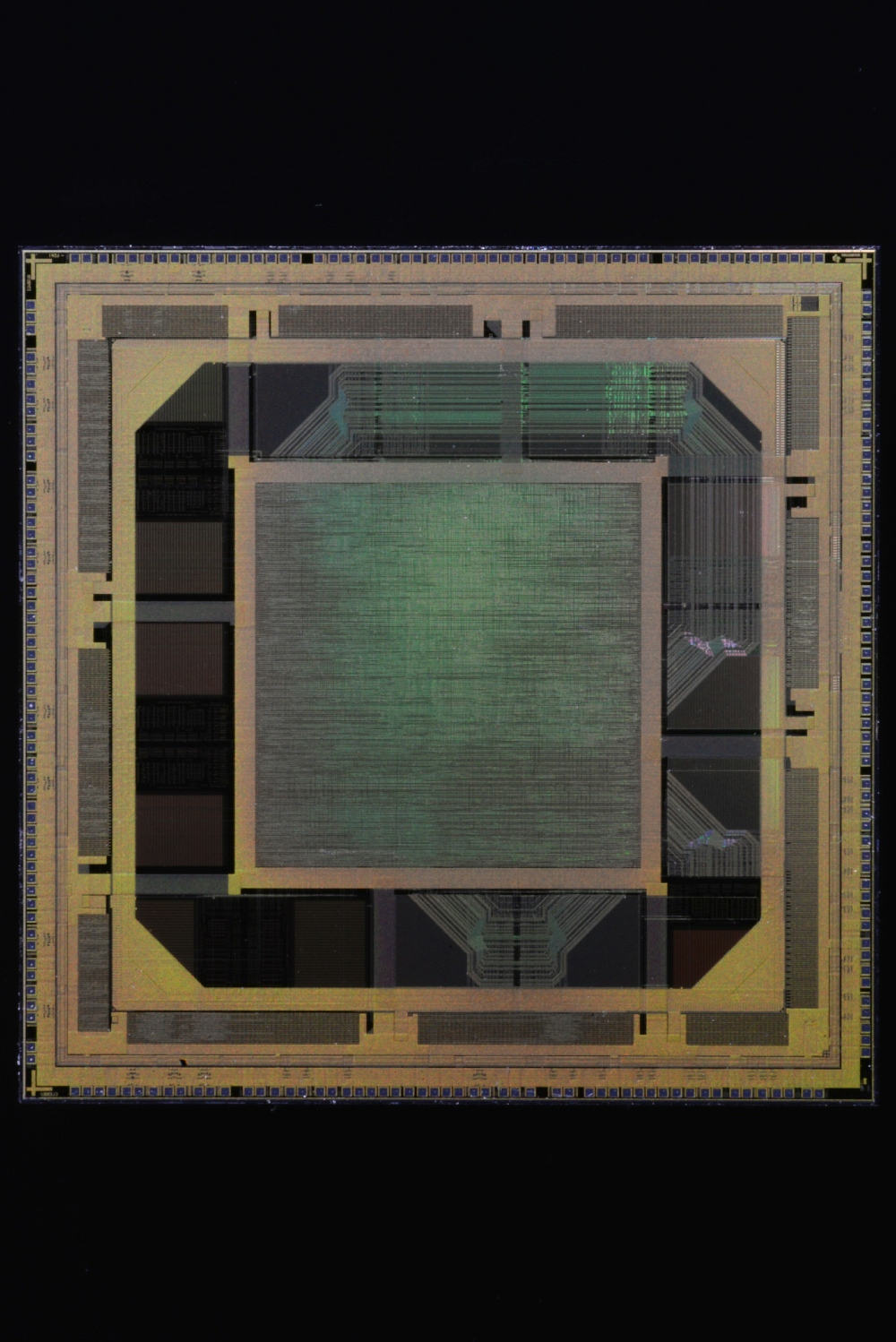
For consumers, on-device AI delivers immediate advantages. Tasks such as photo enhancement, real-time translation, and personal assistant responses now occur without noticeable delay or an internet connection. Battery efficiency has also improved, as optimized local models reduce constant data transmission to the cloud.
Importantly, personal data—photos, messages, voice inputs—can remain on the device, addressing growing concerns about data misuse and surveillance.

Despite its benefits, on-device AI still faces constraints related to model size and compute power. As a result, most consumer devices now adopt a hybrid AI approach, combining local inference with cloud-based processing for heavier workloads.
This balance is expected to define smartphone AI strategies for the rest of the decade.

CES 2026 highlights how AI is transforming consumer technology, from wearables to smart home systems, shaping more intuitive and personalized user experiences.

AI is driving global datacenter expansion and edge computing adoption. Learn how next-generation infrastructure supports scalable, low-latency AI workloads in 2026.

Enterprise AI adoption in 2026 is shifting from pilots to business-critical operations. Learn trends, challenges, and best practices.

CES 2026 is centered on AI, highlighting how smart devices and wearables will transform user experience.

Explore how edge computing enables real-time AI applications and why distributed systems are becoming essential.
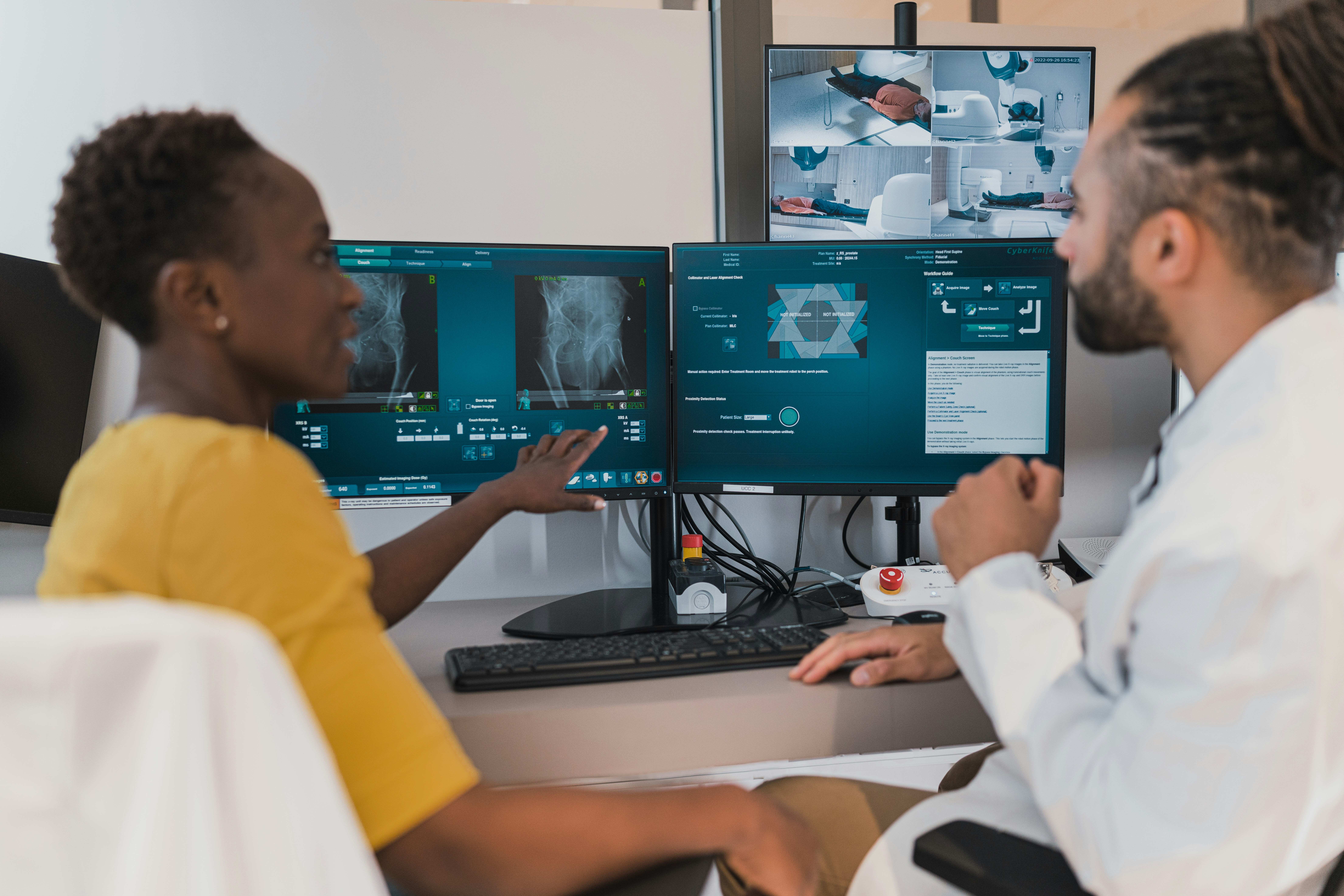
Discover how AI is reshaping healthcare operations, patient monitoring, and clinical decisions ethically and safely.

AI is transforming cybersecurity with real-time threat detection and automated defenses, but challenges remain.

Explore how GPT models enhance productivity tools for business operations and collaboration.

AI demand is driving sustainable data center innovation with renewable power and cooling technologies.
Discover consumer AI applications that streamline productivity, creativity, and daily routines.

AI ethics frameworks and regulatory trends shape how organizations innovate responsibly with intelligent systems.

Enterprise AI adoption in 2026 is moving beyond pilot programs into core business infrastructure. Learn where companies see real gains and what challenges remain.