Rapid urbanization places increasing pressure on transportation, energy, public safety, and municipal services. Traditional city management systems struggle to adapt to real-time conditions. AI provides cities with the ability to analyze complex data streams and coordinate responses dynamically.
Smart city initiatives increasingly rely on AI to improve efficiency, sustainability, and quality of life.
AI-powered traffic systems analyze sensor data, cameras, and GPS signals to optimize signal timing and reduce congestion. These systems adapt continuously rather than relying on static schedules.
Public transportation networks also benefit from AI-driven demand forecasting and route optimization.

AI helps cities manage energy grids, water usage, and waste collection more efficiently. Predictive analytics reduce downtime and prevent resource shortages.
These optimizations lower costs while supporting environmental goals.
AI enhances public safety through real-time monitoring and predictive risk assessment. Emergency services use AI to allocate resources faster and more accurately.
Human oversight remains essential to ensure responsible deployment.
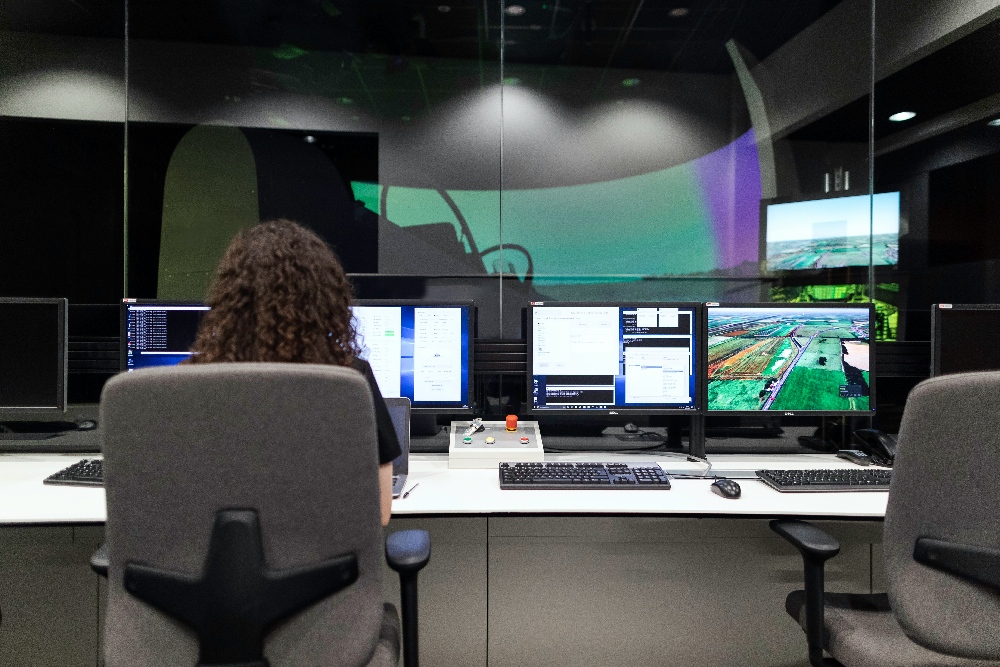
Smart cities will increasingly depend on AI as a coordination layer connecting infrastructure, services, and citizens.

CES 2026 highlights how AI is transforming consumer technology, from wearables to smart home systems, shaping more intuitive and personalized user experiences.
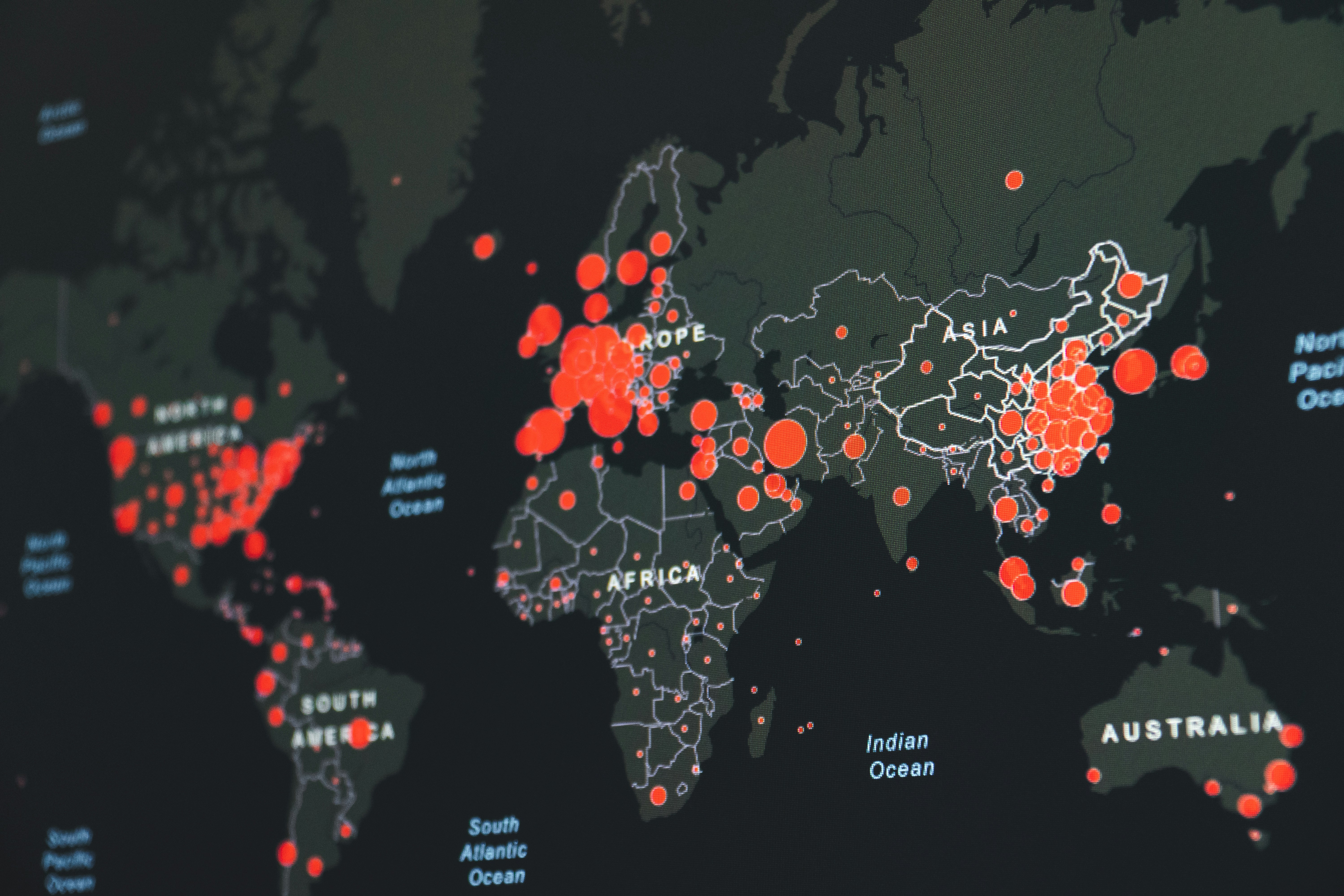
AI is driving global datacenter expansion and edge computing adoption. Learn how next-generation infrastructure supports scalable, low-latency AI workloads in 2026.

Enterprise AI adoption in 2026 is shifting from pilots to business-critical operations. Learn trends, challenges, and best practices.

CES 2026 is centered on AI, highlighting how smart devices and wearables will transform user experience.
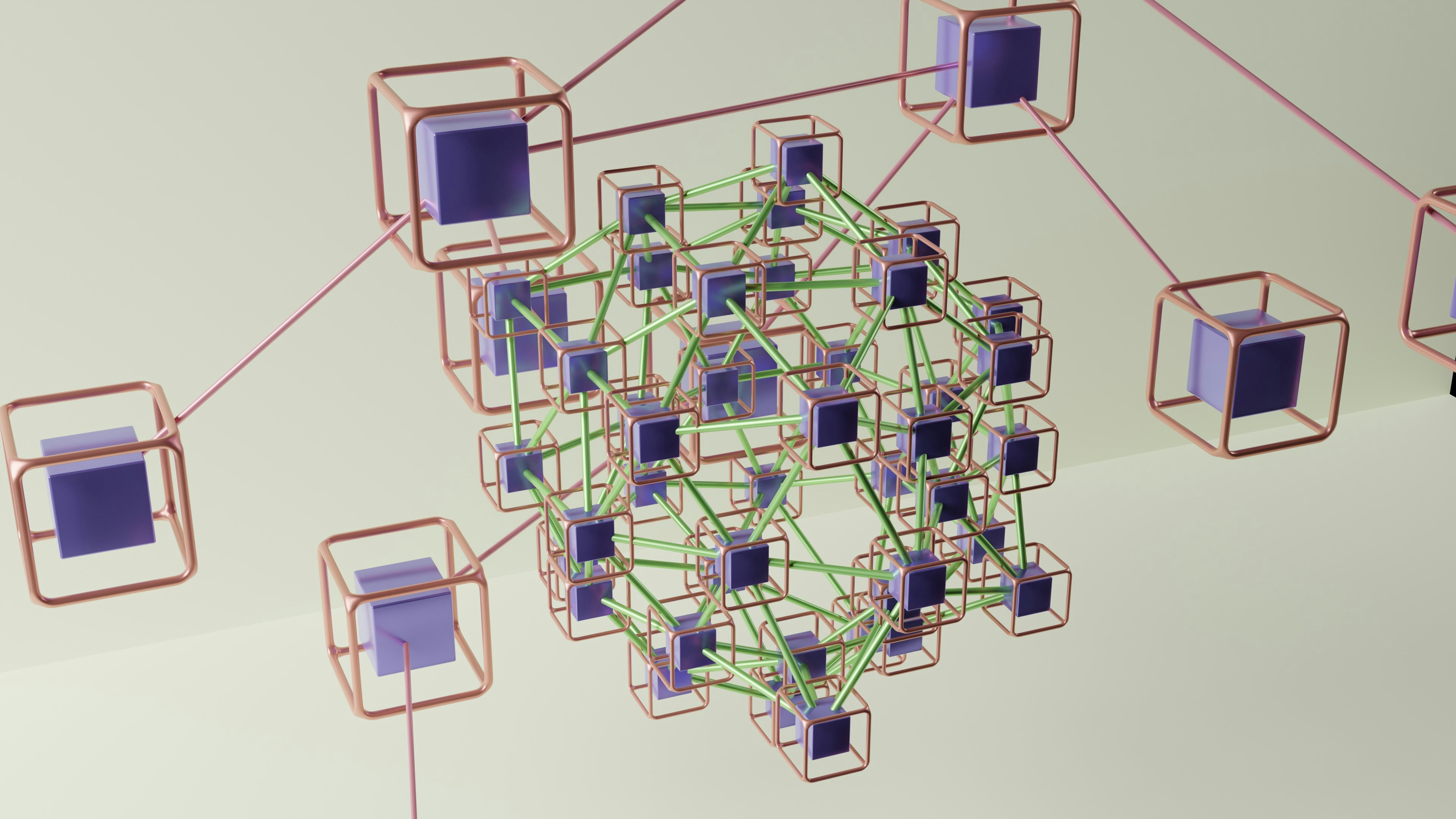
Explore how edge computing enables real-time AI applications and why distributed systems are becoming essential.

Discover how AI is reshaping healthcare operations, patient monitoring, and clinical decisions ethically and safely.

AI is transforming cybersecurity with real-time threat detection and automated defenses, but challenges remain.
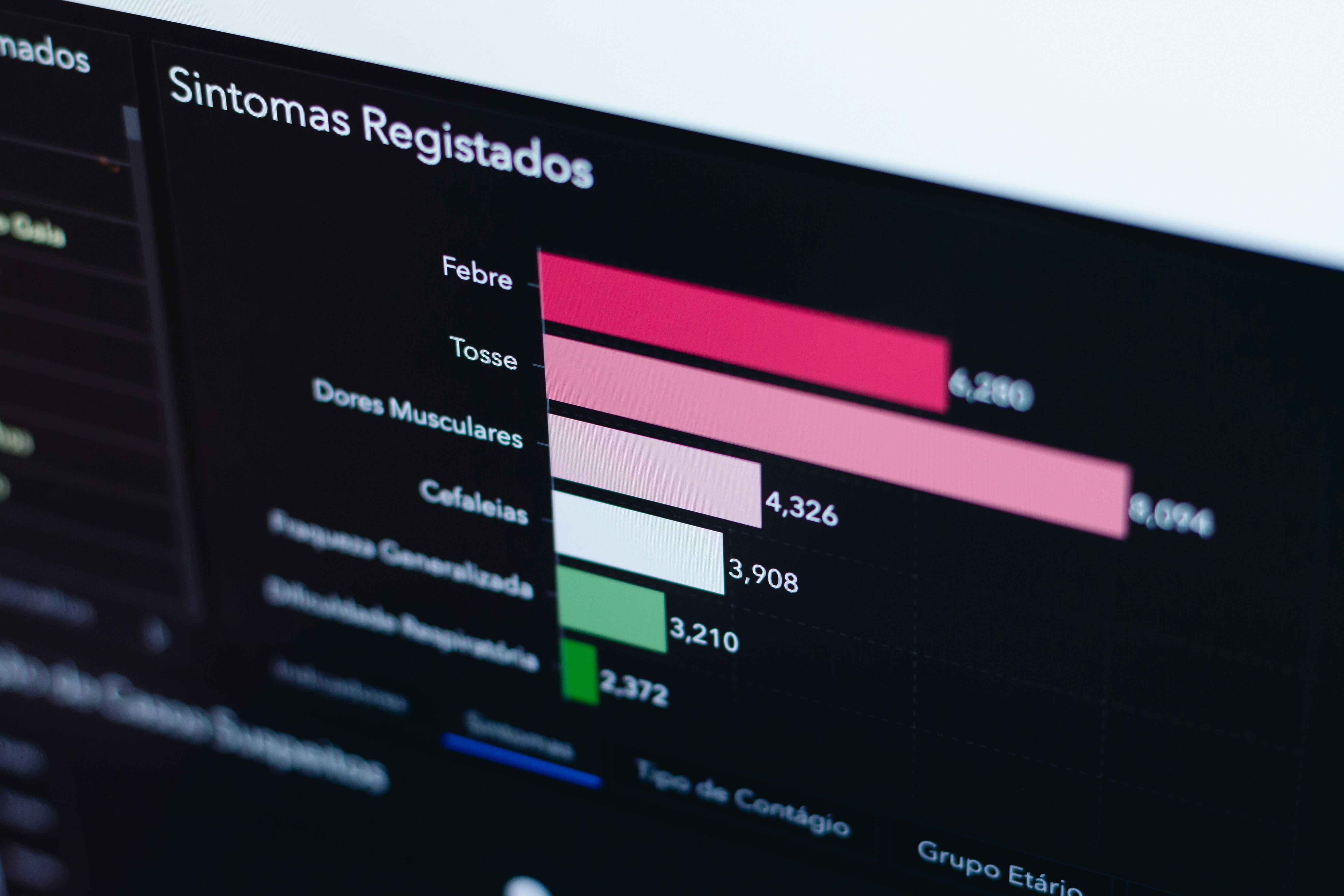
Explore how GPT models enhance productivity tools for business operations and collaboration.
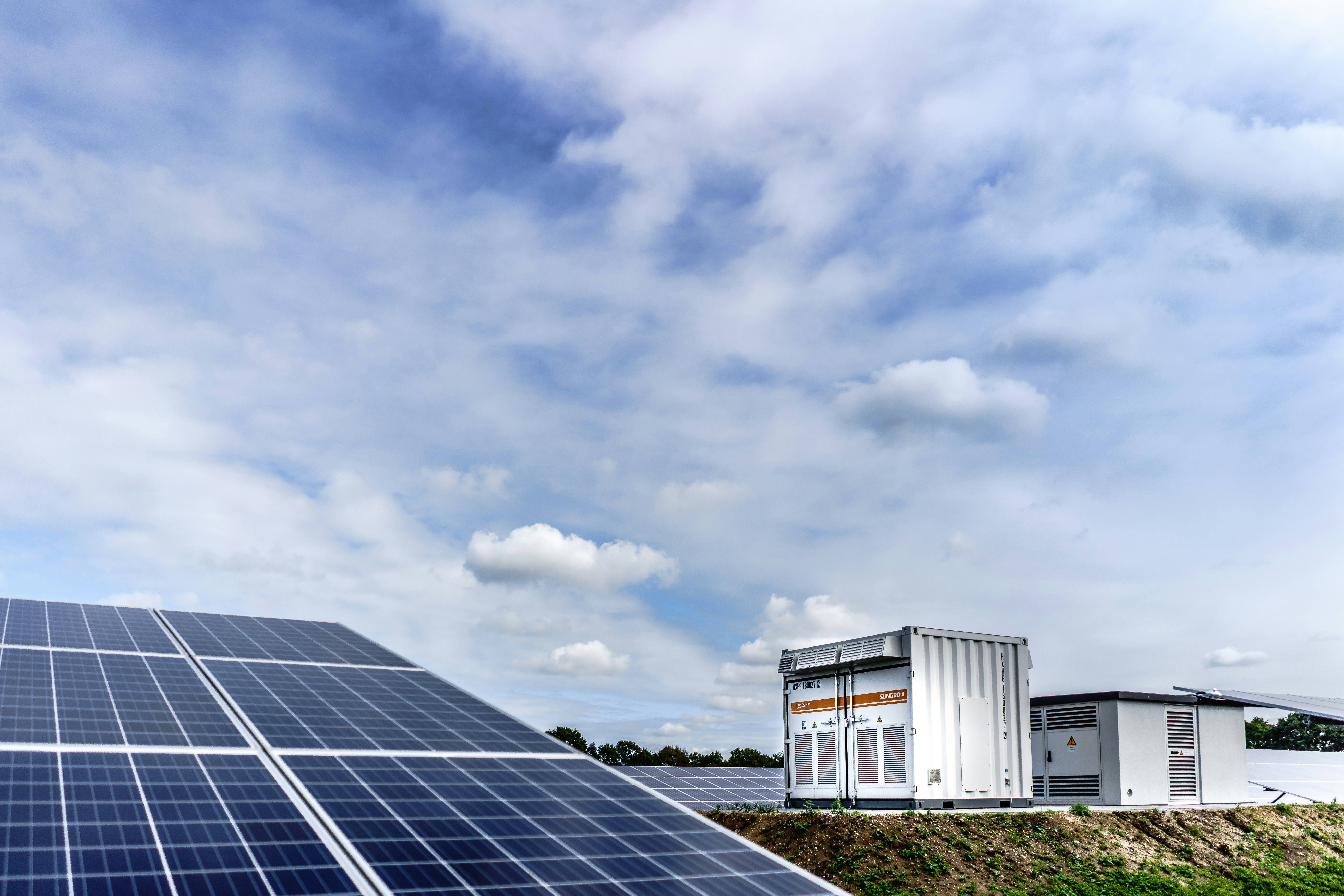
AI demand is driving sustainable data center innovation with renewable power and cooling technologies.

Discover consumer AI applications that streamline productivity, creativity, and daily routines.

AI ethics frameworks and regulatory trends shape how organizations innovate responsibly with intelligent systems.

Enterprise AI adoption in 2026 is moving beyond pilot programs into core business infrastructure. Learn where companies see real gains and what challenges remain.